We aren’t born the same, we don’t die the same
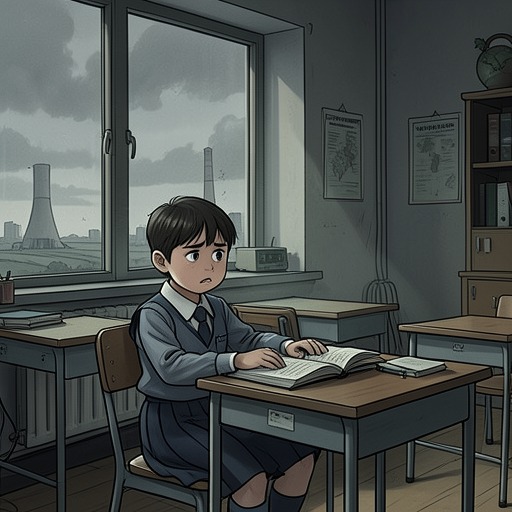
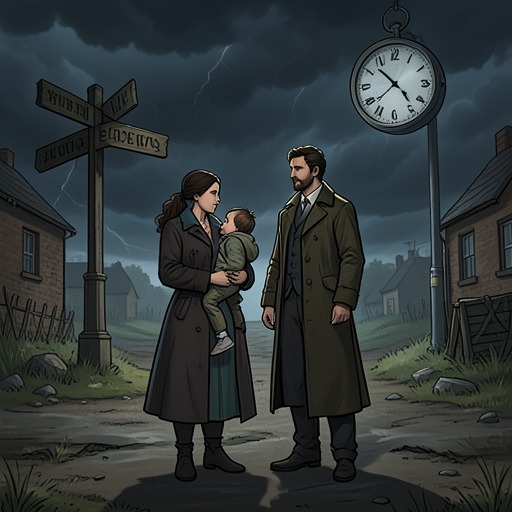
Voices from Chernobyl“We aren’t born the same, we don’t die the same” is a statement of rupture in a wife’s account of her loved one’s last year. It gives stark form to the testimony’s central paradox: the word Chernobyl is repeated, but the experience it names remains unknown, while the body’s transformation makes death itself seem newly unfamiliar.
Meaning in the Testimony
The expression follows the account of a year in which the man grows worse day by day. His wife describes loving him more than anything and watching his body change: after his lymph nodes are removed and his circulation is disrupted, his nose grows three times larger, his eyes alter and drift in different directions, and one eye eventually closes. The declaration that people are not born or dying in the same way is therefore grounded in intimate observation, not offered as an abstract maxim. The familiar boundaries of a life—from birth to death—no longer seem to describe what she is witnessing.
Chernobyl and the Limits of Naming
The testimony sets the repeated name Chernobyl against an admission that no one knows what it is. Something frightening has opened before the couple, and ordinary language cannot make it comprehensible. The phrase’s paired clauses make that break feel encompassing: the catastrophe changes not only the conditions of dying but the terms by which a human life can be understood. Its force comes from the contrast between a simple, balanced sentence and the bodily details that resist any simple explanation.